Pakistani is richest country in Natural Resources
Pakistan, officially the Islamic Republic of Pakistan, located in
South Asia has 650 miles of coastline on the Arabian Sea and Gulf of
Oman. The west is bordered by Afghanistan and Iran. India is to the east
and China in the far northeast. The country is strategically located
between South Asia, Central Asia, and the Middle East. Land is a
valuable natural resource.
Other natural resources include an extensive natural gas supply, some
oil, hydro power potential, coal (although not high quality), iron ore,
copper, salt, and limestone. Agricultural products are wheat, cotton,
rice, sugarcane, eggs, fruit, vegetables, milk, beef, and mutton.
Primary industry includes textiles, food processing, pharmaceuticals,
construction materials, shrimp, fertilizer, and paper products. Major
exports are textiles, rice, leather goods, sports goods, carpets, rugs,
and chemicals. Pakistan imports petroleum, machinery, plastic, edible
oil, iron, steel, tea, and paper.
Coal

Pakistan recently discovered one low and four low-to-medium quality
coal seams in the Punjab. Low sulfur coal was recently reported at the
Baluchistan and near Islamabad. Bituminous, sub-bituminous, and lignite
coal have been found in Pakistan.
Coal reserves are estimated at 175 billion tons. This would equate to
618 billion barrels of crude oil. When compared to oil reserves his is
more than twice the amount of the top four countries. If At KSA’s
current usage, the reserves would last more than 200 years.
Oil and Gas
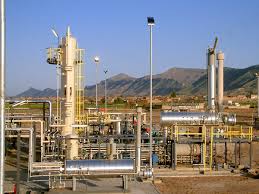
Natural gas production is at a high level in Pakistan. Estimated
reserves are 885.3 billion cubic meters (as of January 2009). Gas fields
are expected to last for another 20 years. The Sui gas field is the
largest, accounting for 26% of Pakistan’s gas production. Daily
production is 19 million cubic meters a day. Under the barren mountains
of Balochistan and the sands of Sindh, there are untouched oil and gas
reserves.
Forestry

Forests are limited to 4% of Pakistan’s land; nonetheless the forests
are a main source of food, lumber, paper, fuel wood, latex, and
medicine. The forests are also used for wildlife conversation and
ecotourism.
Mining
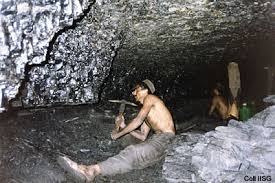
Pakistan has large gold/copper ore deposits at Saindak. There are
large deposits of rock salt in the Pothohar Plateau. Pakistan’s mineral
resources include reserves of gypsum, limestone, chromites, iron ore,
rock salt, silver, precious stones, gems, marbles, tiles, sulfur, fire
clay, and silica sand.
Land
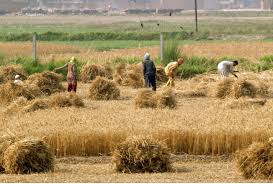
About 28% of Pakistan’s total land area is under cultivation.
Pakistan boasts one of the largest irrigation systems in the world.
According to Wikipedia, “the most important crops are cotton, wheat,
rice, sugarcane, maize, sorghum, millets, pulses, oil seeds, barley,
fruits and vegetables, which together account for more than 75% of the
value of total crop output.” The fertile lands of Punjab are ready to
feed a population twice that of current Pakistan.
Uranium

Pakistan has a long history of exporting small amounts of uranium. In 2006 Pakistan produced about 45 tons of uranium.
Water

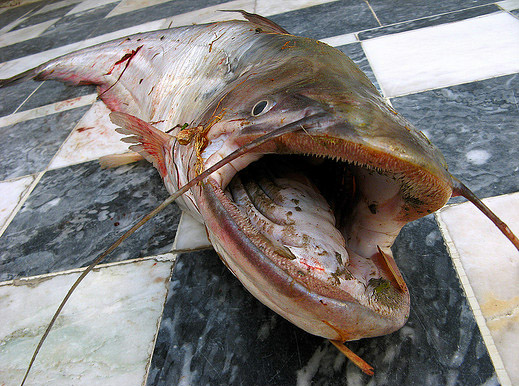
Fresh Fish by Asim Bijarani via Flickr
The fishing industry plays a role in the national economy of
Pakistan. The coastline is 814km and fishery resources still have room
to grow. Fishing in Pakistan is a major source of export earnings.
Pakistan is rich in diverse natural resources. Pakistan’s human
resources include a population of intelligent young people and a
burgeoning urban middle class. The culture, knowledge, wealth, and
infrastructure are sure to grow and improve in the near future. This
combined with its prime location will lead to long-term success for the
nation.
 PATNA: More than five hundred pigeons suddenly dropped dead at a village in Bihar's Bhagalpur district over the last four days, causing residents, some of them pigeon-keepers, to fear that something was amiss.